
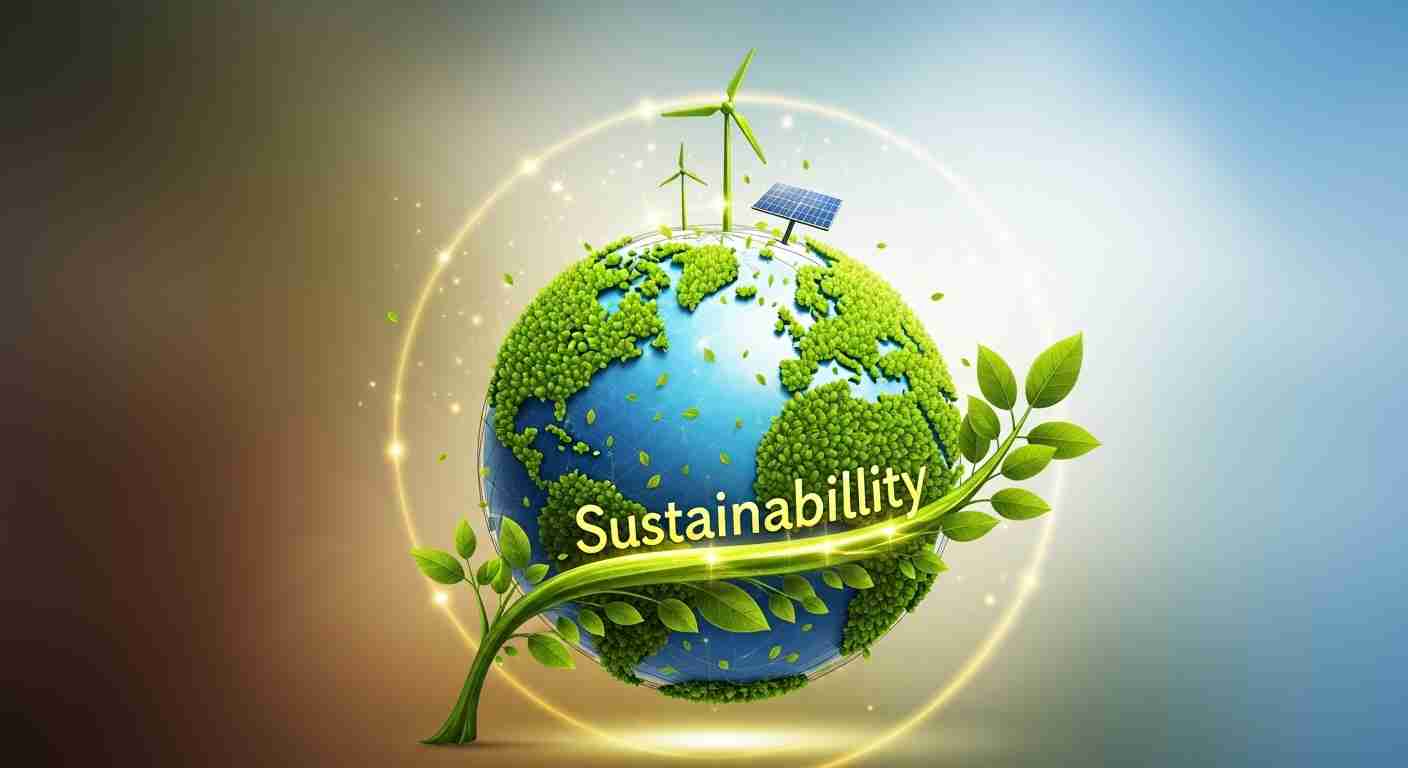
You have probably heard the word sustainability in conversations about the environment, business, and daily life. It is a popular term, but many people are still unsure about what it actually means and why it is so important.
Understanding the sustainability meaning can help you make better choices in your daily life and become more aware of how your actions impact the world around you. In this guide, you will learn what sustainability means, how it works, and why it matters more than ever.
What Does Sustainability Mean
Sustainability means meeting your current needs without harming the ability of future generations to meet their own needs.
In simple words, it is about using resources wisely so that they last for a long time and do not damage the environment or society.
Sustainability Meaning Table
Here is a quick breakdown of sustainability and its related terms:
| Term | Meaning | Usage Context | Example |
|---|---|---|---|
| Sustainability | Using resources responsibly for the long term | Environment, lifestyle, business | Sustainable living helps reduce waste |
| Environmental Sustainability | Protecting nature and natural resources | Climate, conservation | Reducing plastic use |
| Social Sustainability | Supporting communities and equality | Society, culture | Fair wages and working conditions |
| Economic Sustainability | Maintaining long-term economic growth | Business, finance | Ethical business practices |
| Sustainable Living | Lifestyle focused on reducing harm | Daily habits | Using reusable products |
Why Sustainability Is Important
Sustainability is important because it helps protect the planet and ensures that resources are available for the future.
Key reasons include:
- Reducing environmental damage
- Conserving natural resources
- Supporting healthier communities
- Promoting long-term economic stability
Without sustainability, resources can run out and environmental problems can grow.
Types of Sustainability
Sustainability is usually divided into three main types:
- Environmental sustainability focuses on protecting nature
- Social sustainability focuses on people and communities
- Economic sustainability focuses on long-term financial growth
All three are connected and work together.
Sustainability in Daily Life
You can practice sustainability in simple ways every day:
- Reduce waste and recycle
- Save energy and water
- Use reusable items
- Support eco-friendly products
Small actions can make a big difference over time.
Sustainability in Business
Businesses also focus on sustainability to reduce their impact and build trust with customers.
Examples include:
- Using renewable energy
- Reducing waste in production
- Offering eco-friendly products
- Following ethical practices
Sustainable businesses often perform better in the long run.
Common Examples of Sustainability
Here are some real-life examples:
- Solar and wind energy
- Recycling programs
- Sustainable farming
- Eco-friendly packaging
These practices help reduce harm and support long-term growth.
Challenges of Sustainability
While sustainability is important, it also comes with challenges:
- Higher initial costs
- Lack of awareness
- Limited resources in some areas
- Resistance to change
However, awareness is growing, and more people are adopting sustainable practices.
How You Can Start Being Sustainable
Starting with sustainability does not have to be difficult. You can begin with small steps:
- Turn off unused lights
- Avoid single-use plastics
- Choose public transport when possible
- Buy only what you need
Consistency is more important than perfection.
Why Understanding Sustainability Matters
Understanding sustainability helps you become more responsible and aware of your choices. It also helps you contribute positively to the environment and society.
As global challenges increase, sustainability becomes even more important for everyone.
Final Thoughts on Sustainability Meaning
Sustainability is not just a trend. It is a long-term approach to living and working in a way that protects the future. It encourages balance between the environment, society, and the economy.
By understanding its meaning, you can take small but meaningful steps toward a better future.
Conclusion
The concept of sustainability is essential in today’s world. It focuses on protecting resources, supporting communities, and ensuring long-term growth without causing harm.
By making simple and conscious choices, anyone can contribute to a more sustainable future. The key is to stay aware, take action, and encourage others to do the same.

I am Michael, a passionate writer at msseage.com, sharing easy and useful content about texting, messaging, and online communication.