
If you are dealing with property transactions or large financial agreements, you may have come across the term escrow. For many people, it sounds technical and confusing at first. But in reality, it plays a very important role in keeping transactions safe and secure.
Understanding the escrow meaning can help you avoid risks and make smarter decisions when buying or selling property. In this guide, you will learn what escrow means, how it works, and why it is used.
What Does Escrow Mean
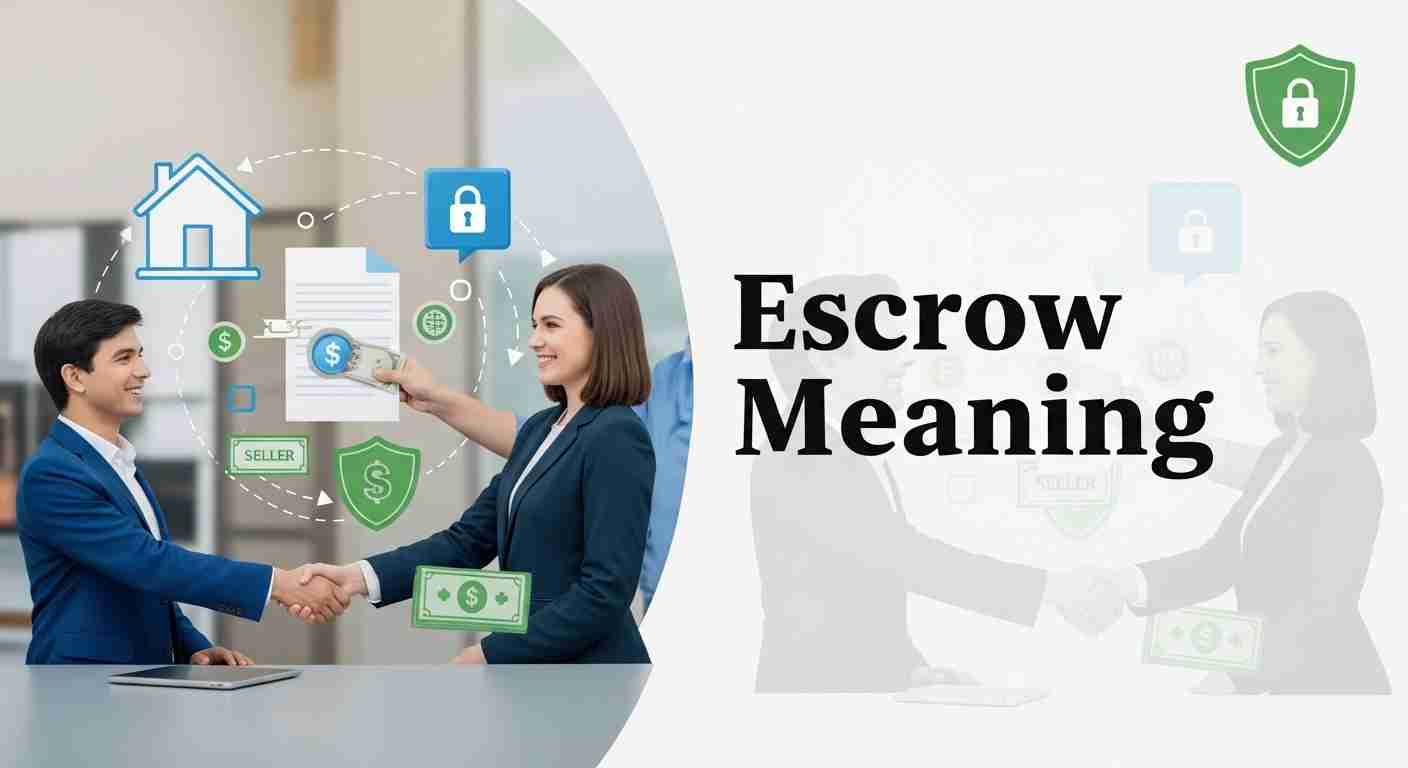
Escrow is a financial arrangement where a third party temporarily holds money or assets until all conditions of a transaction are completed.
In simple terms, escrow acts as a safe holding system to protect both the buyer and the seller until the deal is finalized.
Escrow Meaning Table
Here is a quick breakdown of escrow meaning and related terms:
| Term | Meaning | Usage Context | Example |
|---|---|---|---|
| Escrow | Third-party holding of funds | Real estate, online transactions | Money is held in escrow until closing |
| Escrow Account | Account where funds are stored | Property deals, mortgages | Buyer deposits money into escrow |
| Escrow Agent | Neutral third party managing funds | Legal/financial transactions | The agent releases funds after approval |
| Escrow Payment | Payment held until conditions are met | Buying property | Initial deposit goes into escrow |
| Closing Escrow | Final stage of transaction | Real estate deals | Escrow closes after paperwork is done |
How Escrow Works in Real Estate
In real estate, escrow is used to ensure that both the buyer and seller fulfill their obligations before money changes hands.
The process usually works like this:
- Buyer deposits money into an escrow account
- A third party holds the funds securely
- Required steps like inspection and approval are completed
- Once everything is verified, funds are released to the seller
This system builds trust between both parties.
Why Escrow Is Important
Escrow is important because it reduces risk during transactions. It ensures that:
- The buyer does not lose money unfairly
- The seller receives payment only after meeting conditions
- The process remains transparent and secure
Without escrow, transactions would be much riskier.
Who Manages Escrow
An escrow agent or company manages the escrow process. This third party is neutral and does not favor either side.
Their responsibilities include:
- Holding funds securely
- Managing documents
- Ensuring all conditions are met
- Releasing funds when the deal is complete
When Is Escrow Used
Escrow is commonly used in:
- Real estate transactions
- Online buying and selling
- Large financial agreements
- Business deals
It is especially useful when trust needs to be established between parties.
How Long Does Escrow Last
The length of escrow depends on the type of transaction. In property deals, it usually lasts a few weeks.
However, it can vary based on:
- Financing approval
- Inspection results
- Document processing
Delays can extend the escrow period.
What Happens When Escrow Closes
When escrow closes, it means all conditions of the agreement have been successfully completed.
At this point:
- Funds are released to the seller
- Ownership is transferred to the buyer
- The transaction is officially completed
This is often referred to as the closing stage.
Common Mistakes to Avoid with Escrow
While escrow is designed to be safe, mistakes can still happen. Some common ones include:
- Not understanding the terms of the agreement
- Missing deadlines
- Failing to complete required steps
- Not communicating properly with the escrow agent
Avoiding these mistakes ensures a smooth process.
Why Understanding Escrow Matters
Understanding escrow helps you feel more confident during important transactions. It gives you clarity about where your money is and how the process works.
This knowledge is especially useful when dealing with property or large payments.
Final Thoughts on Escrow Meaning
Escrow is a key part of secure transactions, especially in real estate. It protects both buyers and sellers by ensuring that all conditions are met before money is exchanged.
Although it may seem complex at first, escrow is simply a system designed to build trust and reduce risk.
Conclusion
The term escrow represents safety and trust in financial transactions. By using a neutral third party to hold funds, it ensures that both sides of a deal are protected until all conditions are fulfilled.
Whether you are buying property or entering a large agreement, understanding escrow allows you to move forward with confidence and avoid unnecessary risks.

Emily is a professional content writer at msseage.com, specializing in messaging guides, tech tips, and user-friendly digital communication content