
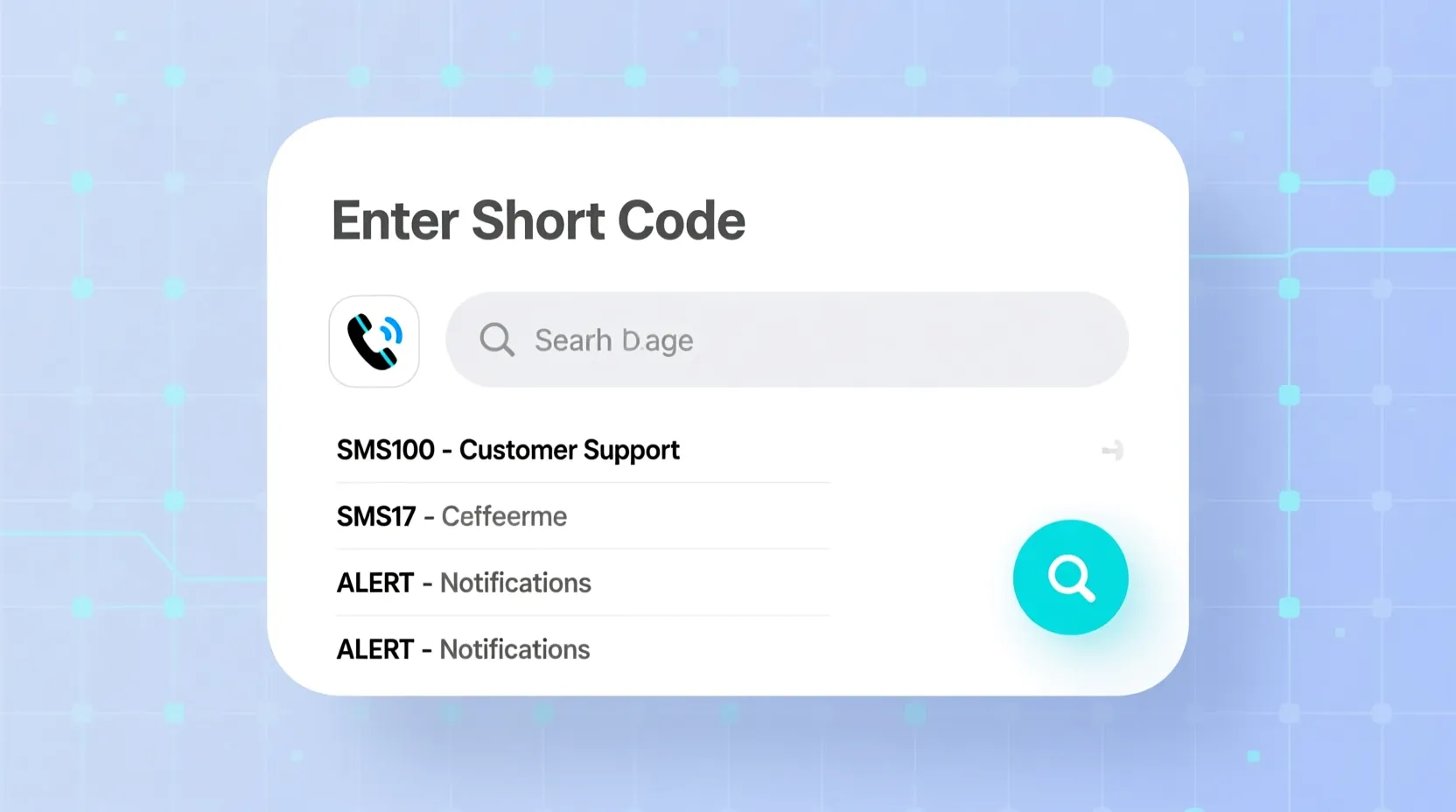
Short codes are the 5-6 digit numbers you sometimes see sending text messages. If you get a message from a number like 12345 or 22395, you might wonder: who is this? Is it safe? Can I trust it?
A text message short code lookup helps you identify the sender, verify legitimacy, and decide how to respond. This guide explains how to check short codes, avoid scams, and protect your personal info.
💬 What Is A Short Code Text Message
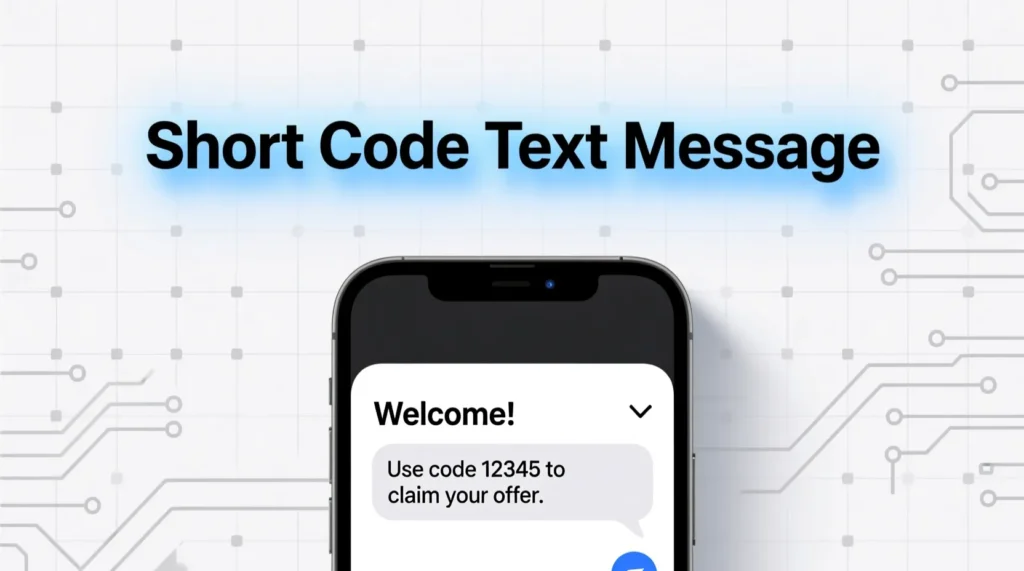
Short code text messages come from 5 or 6-digit numbers.
They are used by businesses, services, or apps for communication.
You may get alerts, promotions, verification codes, or updates.
Unlike normal phone numbers, short codes are easier for mass messaging.
They can be used for subscriptions, contests, or payment confirmations.
Short codes are often region or carrier specific.
Some require opt-in before sending messages.
Legit short codes usually follow regulations and rules.
Scammers can sometimes pretend to use short codes.
That’s why a lookup is important before trusting them.
💬 Why You Might Need A Short Code Lookup
You received a message from an unfamiliar short code.
It might ask for clicks, personal info, or payments.
You want to know if it is a legit brand or a scam.
Maybe you are tracking a previous subscription or promotion.
A lookup confirms who owns the code and what it is used for.
It helps you avoid phishing, fraud, and spam.
Some short codes change owners over time; lookups stay current.
Businesses sometimes list codes publicly, but not always.
Checking before replying keeps your information safe.
Lookup is a simple step to make texting safer.
💬 How To Perform A Short Code Lookup
Use online short code directories or lookup tools.
Enter the 5-6 digit number in the search box.
Check the results for company name, region, and type of message.
Look for official registration, carrier approval, and customer reviews.
Some directories show if the code is for marketing, alerts, or subscription services.
Compare the info with your received message content.
If it matches, the code is likely legitimate.
If no data exists, or results look suspicious, proceed cautiously.
Do not click any links before confirming legitimacy.
Always verify multiple sources if possible.
💬 Common Types Of Short Code Messages
Promotional alerts and discounts from brands.
Two-factor authentication codes from banks or apps.
Delivery or shipping notifications from stores.
Subscription confirmations from services or apps.
Contests, sweepstakes, or rewards program messages.
Charity donation campaigns or awareness alerts.
Event reminders from ticketing or membership services.
Payment reminders for bills or utilities.
Emergency alerts or public notifications.
Survey or feedback request texts from companies.
💬 Tips For Recognizing Legitimate Short Codes
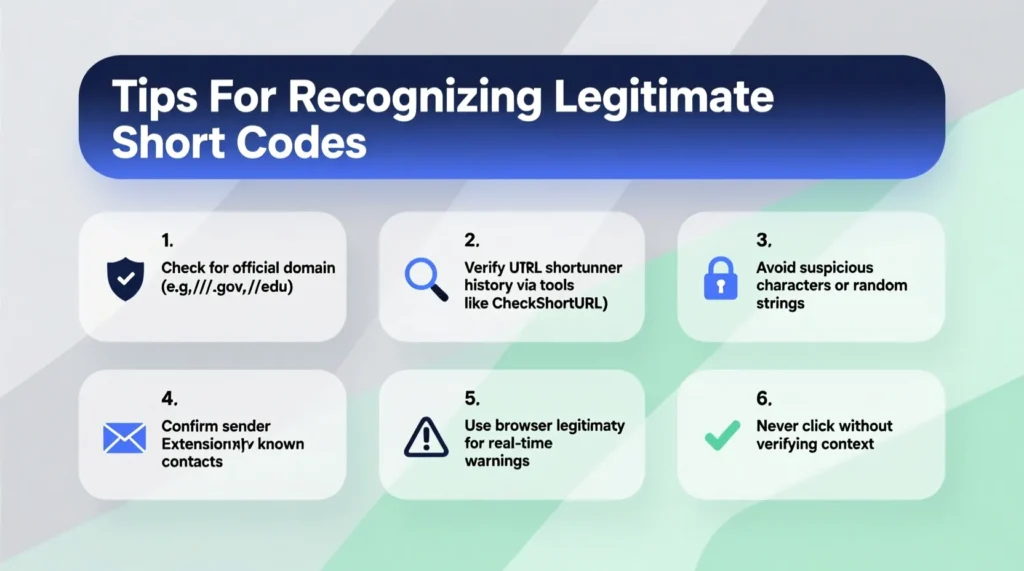
Check if the brand name is mentioned in the message.
Look for proper grammar and spelling; scams often have errors.
Official messages rarely demand urgent payments or threats.
Verify codes on the company’s official website.
Registered short codes usually comply with carrier rules.
If unsure, contact the company directly via verified phone or email.
Do not share sensitive info like SSN or card numbers by text.
Short codes associated with banking or payments are extra sensitive.
Cross-check multiple online sources before trusting a new code.
Your caution can prevent fraud and scams.
💬 How To Block Or Stop Short Code Messages
Most legitimate short code campaigns support STOP, END, or UNSUBSCRIBE.
Reply with the word in all caps to stop future messages.
Do not add extra text; just the single command works best.
If the message persists, use your phone’s block feature.
Report suspicious short codes to your carrier if needed.
Keep screenshots of unwanted or abusive texts.
For recurring spam, carriers may provide additional filtering.
Some phones allow blocking all unknown short codes.
Stay aware of recurring codes that may be recycled.
Stopping unwanted messages protects your phone and data.
💬 When To Be Cautious With Short Codes
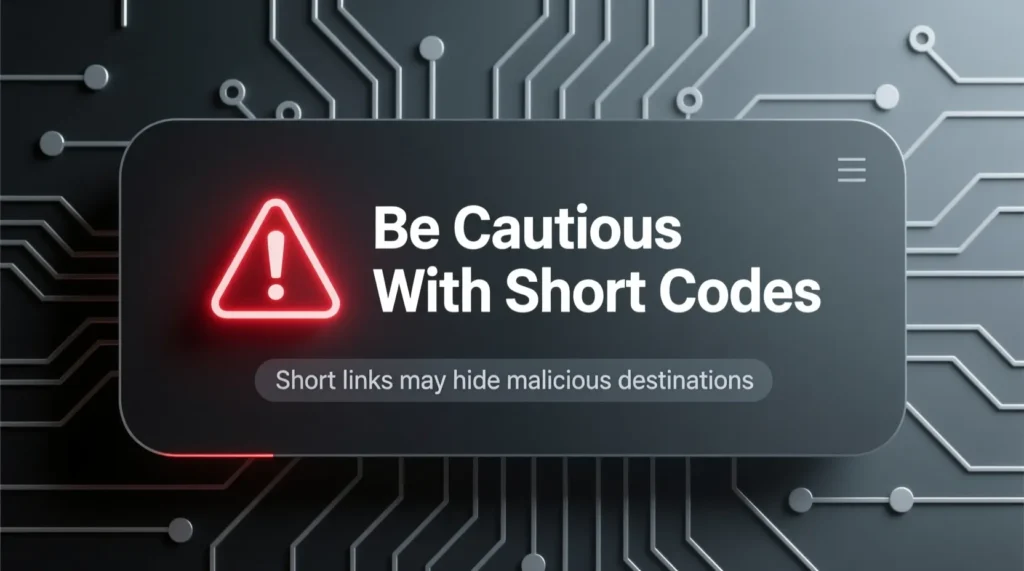
Scammers can spoof short codes to look real.
Never send full banking details or passwords via text.
Do not click shortened or unknown links immediately.
If the text seems threatening or urgent, verify first.
Some messages may contain malware links even from a “known” code.
Ask for confirmation through official channels before responding.
Pay attention to repeated or high-frequency texts.
Keep your phone updated with the latest security patches.
Educate family members about short code safety.
Your awareness reduces risk of scams or identity theft.
💭 FAQs About Text Message Short Code Lookup
What is a short code text message
It is a message sent from a 5 or 6-digit number, usually by a business or service.
Why should I do a short code lookup
To verify the sender, avoid scams, and ensure the message is legitimate.
Can I stop messages from a short code
Yes. Reply STOP, END, or UNSUBSCRIBE, or use your phone’s block feature.
Are all short code messages safe
No. Some can be scams or phishing attempts. Always verify the code before interacting.
How can I find who owns a short code
Use online short code lookup directories, official company websites, or carrier services.
✅ Conclusion
A text message short code lookup helps you identify who is contacting you, whether the message is legit, and how to respond safely. Short codes are used for alerts, promotions, and verification, but scammers can misuse them.
By checking the sender, using STOP commands when needed, and verifying codes online, you protect your personal information and stay in control of your text messages.
Knowledge and caution are the best defense against unwanted or unsafe short code messages.

My name is Emma, a writer at msseage.com, sharing clear and helpful content about messages and digital communication.