
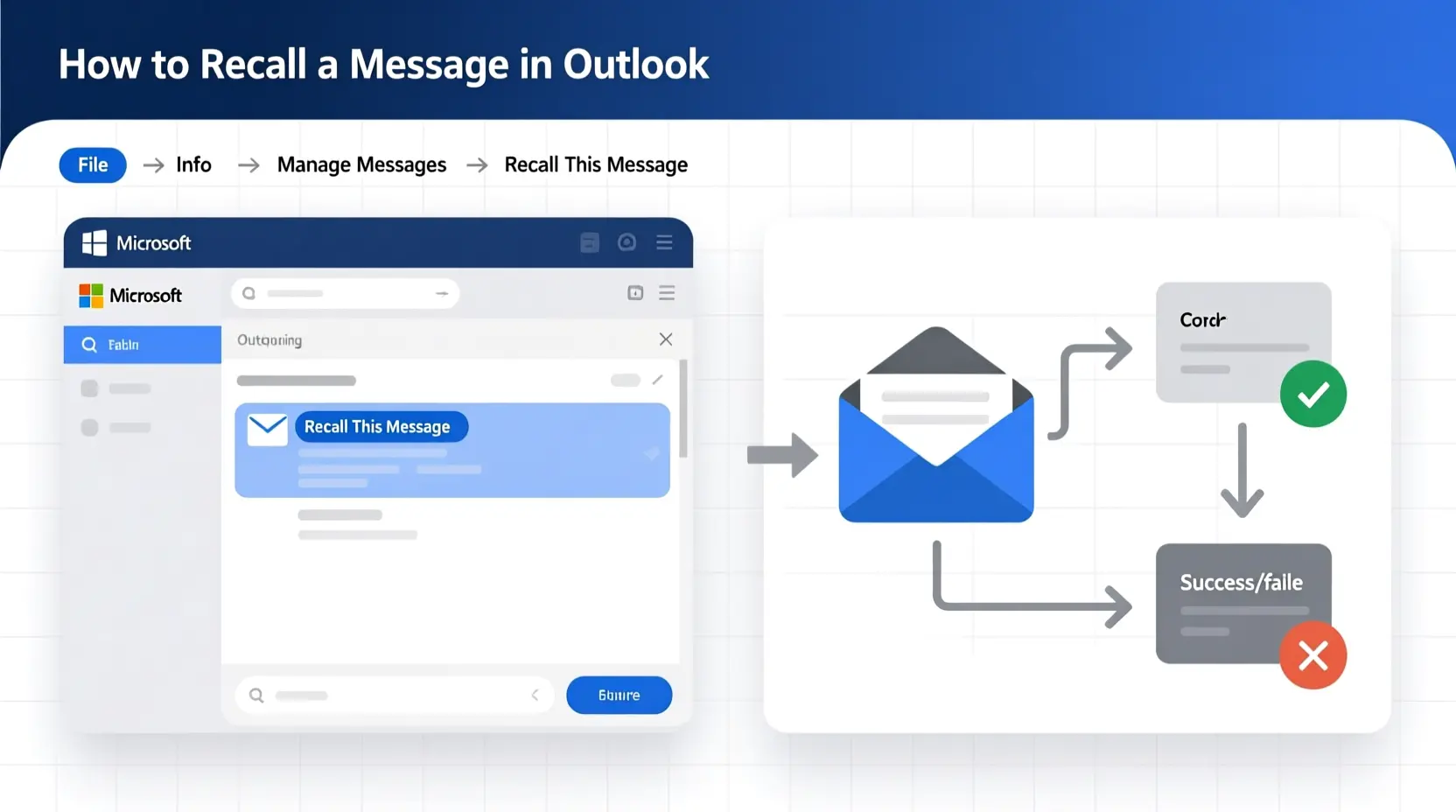
When you send a message too fast, make a mistake, or forget an attachment, the recall feature in Outlook can feel like a lifesaver. Many people use it to pull back an email before someone reads it. If you’re searching for how do you recall a message in Outlook, you’re likely hoping to fix a small mistake with as little stress as possible. This guide helps you recall, replace, and correct emails in a simple way.
How Recall Works in Outlook
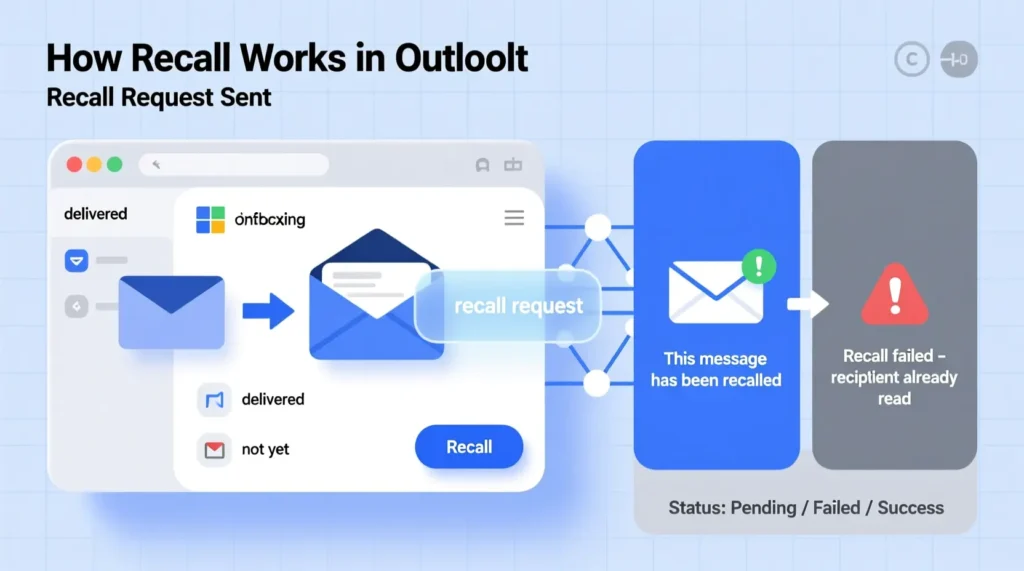
Recalling a message in Outlook only works in certain conditions. Before you try it, it’s good to know how this feature behaves. Outlook recalls work best when both you and the receiver use the same system. This helps you avoid confusion and improves your chance of success. Here are simple points so you understand how recall works clearly.
The recipient must use Outlook
Both must be on the same email system
Recall does not work on mobile apps
The message must still be unread
Recall may fail if the inbox has rules
The replace option helps fix mistakes
Sometimes recipients still see both emails
Large emails take longer to recall
Internet issues can delay recall
Shared mailboxes may block recall
External contacts cannot receive recall
Recall alerts appear in your inbox
Timing is important
Recall works best on desktop
Success rate depends on settings
When You Should Use the Recall Feature
The recall feature helps when you send something by accident or miss key details. It gives you a quick chance to fix mistakes. Knowing when to use recall keeps communication clean and stress-free. These points help you understand good moments to use recall.
You sent the wrong file
You forgot an attachment
Your message had an error
You emailed the wrong person
You want to update details
You sent the message too fast
You need to correct a sentence
You shared outdated info
The email needs rewriting
You used the wrong tone
The message was incomplete
You included sensitive info
You want to resend cleaner wording
You noticed a typo
You sent a draft by mistake
How to Recall a Message in Outlook Desktop
The Outlook desktop app is the most reliable place to perform a recall. The steps are simple and direct. This section gives you a clear view of what to do.
Open your sent folder
Select the email you want to recall
Click the message tab
Choose the recall option
Select delete unread copies
Choose delete and replace
Make changes to your message
Send the updated version
Stay connected to your network
Make sure Outlook stays open
Avoid recalling very old emails
Check your recall report
Watch for any errors
Try again if needed
Keep your message corrected for sending
How to Recall a Message in Outlook Web
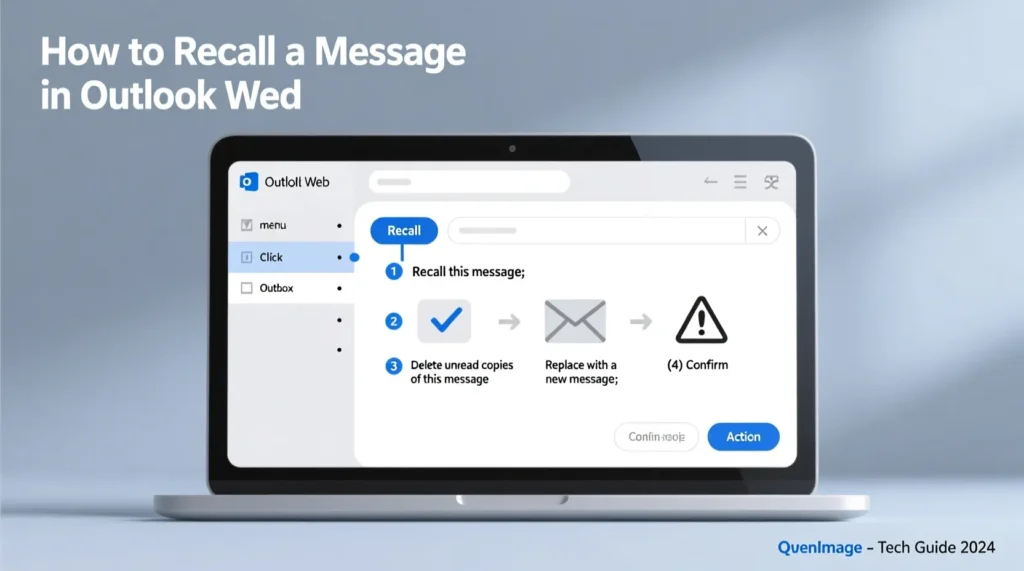
Outlook on the web works differently, and recall is not available in the same way. But you can use alternative fixes to control mistakes. This section explains simple things you can do.
Outlook web does not support full recall
Use undo send instead
Adjust your send delay settings
Pause outgoing emails for safety
Confirm your message before sending
Use drafts to prepare longer emails
Check attachments carefully
Enable delayed delivery
Use a calmer sending workflow
Double-check email addresses
Use rules to prevent mistakes
Take time before pressing send
Keep messages short for clarity
Use Grammarly or spell-check
Recheck before sending again
Best Settings to Improve Recall Success
Your Outlook settings affect how well the recall feature works. Good settings increase your chances of fixing errors smoothly. Here are simple tips for better results.
Use Outlook desktop for recall
Stay on the same email system
Avoid external contact recalls
Enable tracking alerts
Keep your inbox clean
Avoid email rules that move messages
Use delayed delivery
Keep Outlook updated
Use stable internet
Avoid very large emails
Avoid peak email hours
Use simple subject lines
Reduce attachments before sending
Check login status
Reconfirm email accounts
Alternatives to Recall in Outlook
Recalling isn’t always possible, so it helps to know other ways to fix mistakes. These options help you stay calm and correct things easily.
Use undo send
Send a follow-up correction
Resend the correct file
Use a clean updated version
Add a polite correction note
Keep your tone simple and calm
Explain the mistake gently
Resend clear instructions
Attach the right documents
Use updated information
Use delayed sending next time
Proofread before sending
Turn on message review tools
Use templates for common messages
Use careful sender habits
Why Your Recall May Fail
Sometimes recall just doesn’t work, even when you try everything. Here are the most common reasons so you don’t feel confused.
Recipient already opened the message
Recipient uses a different email system
Inbox rules moved your message
Shared inbox blocks recall
Mobile apps opened it
Slow internet delayed recall
Your Outlook version is old
External contacts cannot be recalled
Large emails take longer
Admin settings block recall
Your mailbox synced late
Message was forwarded
Recipient saw the original first
Replace option failed
Message was delivered offline
Tips to Avoid Message Mistakes in the Future
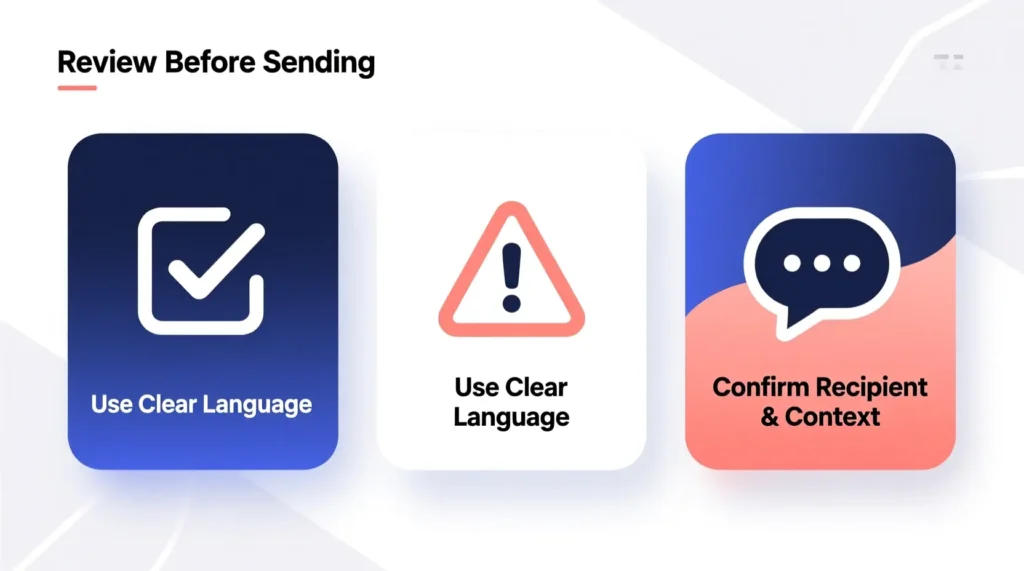
Good habits help you avoid needing recall at all. These small steps can save time and stress.
Proofread before sending
Check attachments twice
Use delayed delivery
Pause before hitting send
Keep subject lines clear
Check recipient list carefully
Verify file names
Avoid fast sending under stress
Draft important messages first
Review sensitive information
Avoid sending when distracted
Use reminders for follow-ups
Use templates for routine emails
Stay organized with folders
Keep Outlook updated
FAQs About Recalling a Message in Outlook
Can you recall a message after it’s been read
No. Once the message is opened, recall will fail.
Does recall work for Gmail or external emails
No. Recall only works when both people use Outlook on the same system.
Can I recall from my phone
No. Recall only works on the Outlook desktop app.
Will the other person know I tried to recall
Yes, Outlook may notify them depending on settings.
Is deleting the email from my sent folder enough
No. Deleting from your sent folder does not remove it from the receiver’s inbox.
Conclusion
Recalling an email in Outlook can save you from small mistakes, missing attachments, or sending a message too fast.
When you understand how do you recall a message in Outlook, you feel more confident and relaxed while using your inbox. With the right steps, good habits, and helpful settings, you can manage your messages smoothly and avoid stressful errors in the future.

My name is Emma, a writer at msseage.com, sharing clear and helpful content about messages and digital communication.